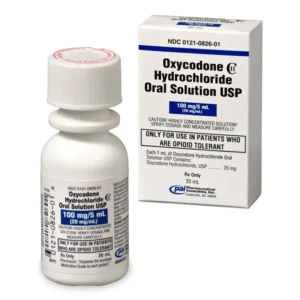
Codeine is a prescription opioid analgesic and cough suppressant first approved in the United States in 1950.
This comprehensive guide covers everything patients and caregivers need to know about safe and effective use.
Opioid / Narcotic Analgesic
Prescription Only
Not for use in patients under 18
!
Important Warning
Codeine may be habit-forming. Take it exactly as prescribed. Do not increase your dose, take it more frequently, or use it in a different way than directed by your doctor.
Codeine can cause serious or life-threatening breathing problems, especially within the first 24 to 72 hours of treatment and after any dose increase. Seek emergency care immediately if you notice slowed or difficult breathing.
If you think you have developed an opioid addiction, contact SAMHSA’s National Helpline at 1-800-662-HELP.
What Is Codeine?
Codeine is a prescription opioid (narcotic) analgesic belonging to the opiate class of medications.
It was originally approved in the United States in 1950 and works by increasing the body’s threshold for pain — changing
the way the brain and nervous system respond to painful stimuli.
Codeine is also classified as an antitussive, meaning it reduces coughing by decreasing activity in the brain’s
cough center. It is available as a standalone medication and as an ingredient in many combination cough and cold products.
What Is Codeine Used For?
Codeine is primarily prescribed for two conditions:
1. Pain Relief
Codeine is used to relieve mild to moderate pain. It alters how the brain and nervous system
process pain signals to provide short-term relief. It is not typically recommended for long-term or chronic pain management.
2. Cough Suppression
When used as a cough suppressant, codeine decreases activity in the part of the brain responsible for triggering
the cough reflex. It is commonly combined with other medications such as guaifenesin or promethazine in cough formulations.
Note: Codeine relieves symptoms but does not treat the underlying cause of pain
or illness, nor does it speed up recovery.
Codeine is also available in combination with acetaminophen (Tylenol with Codeine), aspirin,
carisoprodol, and promethazine. If you are taking a combination product, read the full
information for all ingredients.
How to Take Codeine
Codeine is available as a tablet, capsule, or oral solution (liquid)
and is typically taken every 4 to 6 hours as needed. Always follow the instructions on your prescription label carefully.
Dosage Tips
Use the measuring cup or spoon provided with liquid forms — never a regular household spoon.
Shake the oral solution well before each use.
Do not take a larger dose or use it more often than prescribed.
Never take a double dose to make up for a missed one.
Stopping Codeine Safely
Do not stop taking codeine suddenly after several weeks or more of use. Your doctor should reduce your dose
gradually to prevent withdrawal. Abrupt discontinuation may cause:
Codeine can cause life-threatening respiratory depression, particularly within the first 24–72 hours
of starting treatment or after a dose increase. Patients with asthma, COPD, head injury, or brain tumors are at
higher risk and should consult their doctor carefully before use.
!
Seek Emergency Help If You Notice:
Slowed or shallow breathing, long pauses between breaths, or shortness of breath. Call 911 or go to the nearest emergency room immediately.
Not Safe for Children Under 18
Codeine is never recommended for patients under 18 years of age for pain or cough treatment.
Serious breathing problems and deaths have been reported in children given codeine. If your child is prescribed
a cough product containing codeine, talk to their doctor immediately about safer alternatives.
Habit-Forming Potential & Addiction Risk
Codeine carries a significant risk of dependence and addiction, especially with prolonged use.
Individuals with a history of alcohol misuse, substance use disorder, depression, or other mental illness face a
higher risk of overuse. Discuss your full medical history openly with your healthcare provider.
📞 SAMHSA Helpline: 1-800-662-HELP
Alcohol Warning
⚠
Do Not Drink Alcohol
Do not consume alcohol or use prescription or nonprescription medications containing alcohol while taking codeine. Alcohol significantly increases the risk of dangerous side effects, including respiratory depression, coma, and death.
Pregnancy & Breastfeeding
Regular use of codeine during pregnancy may cause life-threatening withdrawal symptoms in the newborn
after birth. Symptoms in infants include irritability, abnormal sleep, high-pitched crying, vomiting, and failure to
gain weight. Codeine should also not be used while breastfeeding, as it can cause breathing difficulties, excessive
sleepiness, and limpness in breastfed infants.
Drug Interactions
Codeine interacts with many medications. Always inform your doctor and pharmacist about every drug, supplement,
and herbal product you are taking. Critical interactions include:
Do not take codeine within 2 weeks of stopping an MAO inhibitor. Combining codeine with any of
the above drugs may cause extreme drowsiness, slowed breathing, coma, or death.
Side Effects of Codeine
Common Side Effects
Tell your doctor if any of the following become severe or persistent:
Headache
Stomach pain
Difficulty urinating
Constipation
Dizziness or lightheadedness when standing
Drowsiness
Serious Side Effects — Seek Immediate Medical Attention
Stop taking codeine and call your doctor right away or get emergency care if you experience:
Slowed, shallow, or noisy breathing
Agitation, hallucinations, fever, or severe muscle twitching (signs of serotonin syndrome)
Seizures
Irregular heartbeat or changes in heartbeat
Changes in vision
Severe allergic reactions: rash, hives, itching, or difficulty swallowing
Extreme nausea, vomiting, weakness, or dizziness
Decreased sexual desire or irregular menstruation
Report any unusual side effects to the FDA MedWatch program online at
fda.gov/Safety/MedWatch or by phone at 1-800-332-1088.
Overdose & Emergency Information
!
In Case of Overdose
Call Poison Control immediately at 1-800-222-1222, or visit
poisonhelp.org. If the person has collapsed, is having a seizure, cannot breathe,
or cannot be awakened — call 911 immediately.
Signs of Codeine Overdose
Slow or shallow breathingExtreme drowsinessUnable to wake upCold, clammy skinFaintingSlow heartbeatLoss of muscle toneDizziness
Naloxone — Overdose Rescue Medication
Ask your doctor about keeping naloxone at home. Naloxone reverses life-threatening opioid
overdose effects by blocking opiates in the blood. It is especially recommended for households with small
children or individuals with a history of substance use.
Make sure your family members or caregivers know how to recognize overdose symptoms and how to administer
naloxone. Additional doses can be given every 2–3 minutes until emergency help arrives.
Special Precautions Before Taking Codeine
Before starting codeine, inform your doctor if you have ever had any of the following:
Liver or kidney disease
Thyroid or gallbladder disease
Addison’s disease
Seizures or mental illness
Low blood pressure
Head injury or brain tumor
Enlarged prostate or urinary problems
Recent abdominal surgery
Blockage in the stomach or intestines
Paralytic ileus
i
Fertility Notice
Codeine may reduce fertility in both men and women. Discuss this with your doctor if you are planning to conceive.
Codeine may cause drowsiness and dizziness. Do not drive or operate machinery until you know
how it affects you. When getting out of bed, rise slowly to reduce the risk of lightheadedness or fainting.
Storage & Disposal
Store codeine in its original, tightly closed container at room temperature,
away from excess heat and moisture (not in the bathroom). Keep it out of sight and reach of children at all times.
Do not flush codeine down the toilet. Dispose of unused medication through a
medicine take-back program — ask your pharmacist or visit the
FDA Safe Disposal of Medicines website for local options.
Frequently Asked Questions About Codeine
Is codeine an opioid?
Yes. Codeine is a prescription opioid analgesic that works on opioid receptors in the brain and nervous system to reduce the perception of pain and suppress coughing.
Can codeine be used for a cough?
Yes, but only in adults aged 18 and over. Codeine suppresses the cough reflex and is sometimes prescribed for persistent cough, usually in combination with other medications. It is not approved for cough use in anyone under 18 due to serious breathing risks.
How long does codeine stay in your system?
Codeine is typically detectable in urine for 24 to 48 hours. Detection times vary based on individual metabolism, dosage, frequency of use, and other factors such as hydration and kidney function.
What is the maximum safe dose of codeine?
Dosing is individually determined by your doctor based on your condition and medical history. Never self-adjust your dose. Always follow your prescribed guidelines exactly.
Can I take codeine with ibuprofen or acetaminophen?
Codeine is sometimes prescribed in combination with acetaminophen (e.g., Tylenol with Codeine). Always consult your doctor or pharmacist before combining codeine with any other pain reliever to avoid dangerous interactions or accidental overdose.
Is codeine available over the counter?
In the United States, codeine is a controlled Schedule II or III substance depending on the formulation and is only available with a valid prescription. Laws vary in other countries.
Medical Disclaimer: This article is intended for general informational and educational purposes only.
It does not constitute medical advice and is not a substitute for professional consultation with a licensed healthcare provider.
Always consult your doctor or pharmacist before starting, changing, or stopping any prescription medication including codeine.
In case of a medical emergency, call 911 or your local emergency services immediately.
$200.00–$600.00Price range: $200.00 through $600.00
Rated 2.40 out of 5
Select options
This product has multiple variants. The options may be chosen on the product page
What Are the Risks of Taking Codeine?
Codeine is an opioid medication used to treat pain and suppress coughing. While effective, it carries serious health risks, especially when used incorrectly or for long periods.
Breathing Problems
One of the most dangerous risks linked to codeine is slowed or difficult breathing. Opioids affect the part of the brain that controls respiration. In high doses, or when mixed with other sedatives, breathing may become dangerously slow or stop completely.
Driving and Operating Machinery
Codeine can cause:
Drowsiness
Reduced concentration
Slower reaction time
Dizziness
These effects increase the risk of accidents while driving or operating machinery. The risk is often higher when starting treatment or increasing dosage. Some insurance providers may also limit coverage if an accident occurs while taking opioid medication.
Kidney and Liver Concerns
People with liver or kidney problems may process codeine more slowly. This can increase drug levels in the body and raise the risk of side effects or overdose. Doctors often review organ function before prescribing opioid medications.
Interactions With Alcohol and Other Drugs
Combining codeine with alcohol or sedative medications such as benzodiazepines increases the risk of:
Severe drowsiness
Breathing difficulties
Loss of consciousness
Overdose
Mixing these substances can become life-threatening.
Tolerance and Dependence
With repeated use, the body may develop tolerance. This means larger doses are needed to achieve the same effect. Higher doses also increase the risk of side effects and overdose.
Dependence can develop even when codeine is taken exactly as prescribed. Some people may also develop addiction, where use becomes difficult to control despite harmful effects.
Signs of possible dependence include:
Cravings for the medication
Needing higher doses
Withdrawal symptoms when stopping
Continued use despite problems
Codeine Overdose
Taking too much codeine can lead to overdose, which is a medical emergency. Opioid overdose affects breathing and brain function.
Common signs include:
Extreme sleepiness
Slow or shallow breathing
Loss of consciousness
Very small pupils
Unresponsiveness
Emergency medical help should be sought immediately if overdose is suspected.
Naloxone and Overdose Reversal
Naloxone is a medication used to temporarily reverse the effects of opioid overdose. It works by blocking opioid receptors and restoring breathing. In many regions, naloxone is available without prescription for emergency use.
Safe Use Guidelines
To reduce risk:
Follow prescribed doses carefully
Avoid alcohol
Do not mix with sedatives unless medically advised
Avoid increasing dose without supervision
Store medication safely
summary
Codeine has legitimate medical uses, but it also carries significant risks. Careful monitoring and responsible use reduce the chance of harm, dependence, and overdose.
Granie w kasynie mobilnym stało się prostsze i bezpieczniejsze dzięki aplikacji na smartfony i tablety, gdzie mostbet bonus zachęca do odkrywania licznych gier i nagród.