
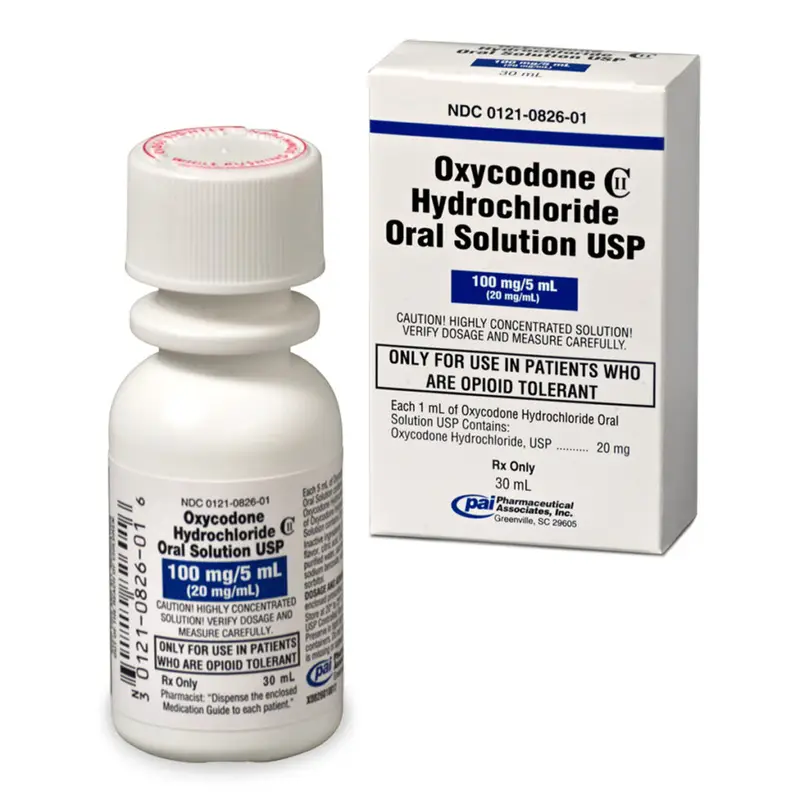
Oxycodone
Price range: $150.00 through $337.00
Oxycodone is a prescription opioid medication used in clinical settings to help manage moderate to severe pain under medical supervision. It works by affecting opioid receptors in the nervous system to change how pain signals are processed. Immediate release formulations provide faster onset for short term pain episodes, while extended release forms support longer lasting pain management needs. Oxycodone requires careful use due to important safety risks, including dependence, misuse, and serious side effects.
Description
Oxycodone Product Overview
What Is Oxycodone?
Oxycodone is a prescription opioid medication used for the management of moderate to severe pain under medical supervision. Healthcare professionals prescribe it in cases where other pain management approaches do not provide adequate relief.
Oxycodone works by interacting with opioid receptors in the central nervous system. This changes how the body processes and responds to pain signals.
Learn more about pain management resources and medication information in our Oxycodone information center.
Approved Medical Uses
Medical providers prescribe oxycodone in specific clinical situations:
- Post surgical pain management
- Cancer related pain
- Severe injury pain
- Chronic pain in selected patients
- Pain requiring stronger prescription treatment
Available Forms and Strengths
Oxycodone exists in multiple formulations.
- Immediate release tablets
- Extended release tablets
- Capsules
- Oral liquid formulations
- Combination products
Product availability and strengths vary depending on manufacturer and location.
How Oxycodone Works
After administration, oxycodone binds to opioid receptors in the brain and spinal cord. This interaction changes the perception of pain.
Factors that influence response include:
- Age
- Weight
- Health conditions
- Other medications
- Prescribed dosage
Dosage Reference
Dosage must be individualized. The following are general adult reference ranges only. Always consult prescribing guidelines and patient-specific factors.
| Formulation | Typical Starting Dose | Dosing Interval | Maximum |
|---|---|---|---|
| Immediate-Release (IR) | 5–15 mg | Every 4–6 hours | Per clinical need |
| Extended-Release (ER) | 10 mg | Every 12 hours | Per clinical need |
| Opioid-naive patients | 5–10 mg (IR) | Every 4–6 hours | Titrate cautiously |
| Renal impairment | Reduce by 50% | Adjust per response | Monitor closely |
Common Side Effects
Patients may experience:
- Drowsiness
- Nausea
- Dizziness
- Dry mouth
- Constipation
- Fatigue
Speak with a healthcare professional if symptoms worsen or become severe.
Important Safety Information
Prescription opioids require careful use. Risks include dependence, misuse, overdose, and breathing problems.
- Follow professional medical guidance
- Keep medication away from children
- Avoid combining with alcohol unless instructed by a provider
- Discuss possible interactions before use
Related Educational Resources
Risks and Safety Information for Oxycodone
Oxycodone carries important safety warnings and requires careful use under medical supervision. Certain medical conditions, medications, and personal history factors increase the likelihood of serious side effects. Speak with a healthcare provider if concerns exist about whether this medication is appropriate.
Risk of Dependence, Misuse, and Addiction
Oxycodone is a controlled opioid medication associated with risks of misuse, physical dependence, and addiction. Follow the prescribed treatment plan closely. Do not increase the amount taken or change the schedule without guidance from a healthcare professional.
Some people face a greater risk for misuse. Contributing factors include:
- Personal history of substance misuse
- Family history of alcohol or drug dependence
- Mental health conditions
- Previous addiction related concerns
Improper use of oxycodone increases the chance of severe complications, including overdose, excessive drowsiness, breathing problems, and loss of consciousness. Healthcare providers often prescribe the lowest effective amount for the shortest necessary duration.
Prescription opioid medications also follow strict safety monitoring and education programs designed to support proper use.
Serious Breathing Problems
Oxycodone may slow breathing. In severe cases this becomes a medical emergency. The risk often rises when treatment begins, after dose increases, or when combined with substances that affect the nervous system.
Factors associated with increased breathing risks include:
- Older age
- Respiratory conditions such as asthma or COPD
- Head injuries
- Frailty or reduced overall health
- Use of sedative medications
- Alcohol consumption
Avoid combining oxycodone with alcohol or medications that reduce alertness unless instructed by a healthcare provider. Examples include sedatives, muscle relaxants, and certain prescription pain medications.
Emergency warning signs include:
- Slow or difficult breathing
- Bluish lips or fingertips
- Extreme drowsiness
- Difficulty waking up
Seek immediate medical attention if these symptoms appear.
Risk of Opioid Overdose
Taking more oxycodone than prescribed significantly increases overdose risk. Accidental exposure also creates serious danger, especially for children, pets, or individuals not prescribed the medication.
Common overdose risk factors include:
- History of opioid use disorder
- Previous overdose events
- Taking more than prescribed
- High dose opioid use
- Alcohol use
Potential overdose symptoms include:
- Slow heartbeat
- Severe sleepiness
- Cold or clammy skin
- No response to touch or sound
- Slow or shallow breathing
Healthcare providers often recommend keeping naloxone available. Naloxone is used during opioid emergencies and helps reverse dangerous breathing problems while emergency assistance is on the way.
Frequently Asked Questions
What is oxycodone used for?
Oxycodone is prescribed for moderate to severe pain management.
Is oxycodone addictive?
Yes. Oxycodone carries a risk of dependence and misuse.
How long do effects last?
Duration depends on the formulation and patient factors.
How quickly does immediate release Oxycodone begin working?
Immediate release oxycodone often starts providing pain relief within approximately 10 to 30 minutes after use. Due to its rapid onset, healthcare providers often prescribe this form for breakthrough pain episodes or sudden increases in pain that require quick symptom control.
How long do the effects of immediate release Oxycodone last?
The pain relieving effects from immediate release oxycodone commonly continue for around 3 to 6 hours. Duration differs between individuals and depends on factors such as dosage, metabolism, and overall health. If pain relief feels too short or inconsistent, speak with a healthcare professional for guidance.
Does Oxycodone cause constipation?
Constipation is one of the more common side effects linked with oxycodone and other opioid medications. Some steps may help reduce discomfort:
- Eat foods rich in fiber
- Drink enough water each day
- Include fruits, vegetables, and whole grains in your diet
- Stay physically active if medically appropriate
If symptoms continue, discuss additional support options with a healthcare provider.
Can alcohol be used while taking Oxycodone?
Alcohol should be avoided during oxycodone treatment. Combining alcohol with opioid medications increases risks for severe drowsiness, impaired alertness, breathing problems, and overdose related complications.
People who regularly consume alcohol should discuss treatment plans and safety considerations with a healthcare professional before starting opioid medications.
What is the difference between Oxycodone and Hydrocodone?
Oxycodone and hydrocodone are prescription opioid medications used for pain management. Healthcare providers often prescribe them when non opioid treatments do not provide enough relief.
Both medications provide similar pain relief benefits. Individual responses differ and side effect patterns vary from person to person. Treatment selection depends on patient needs, health history, and clinical judgment.
What is the difference between OxyContin and Oxycodone?
Oxycodone refers to the active medication ingredient found in several prescription products. OxyContin is an extended release version designed for long duration symptom management.
- Immediate release oxycodone often begins working within 10 to 30 minutes
- Immediate release products are commonly taken every 4 to 6 hours if prescribed
- Extended release forms usually begin working more gradually
- Extended release formulations often support long term pain management needs
Healthcare professionals determine the most appropriate option based on treatment goals and individual patient circumstances.
For more medical informations on oxycodone check out:
Why Trust Codeine1.com for Oxycodone Information?
Access to clear and accurate medication information matters. Codeine1.com provides educational resources designed to help readers understand prescription medications, safety considerations, and important treatment information.
- Educational content focused on medication awareness
- Up to date information on safety and risk factors
- Resources covering pain management topics
- Simple navigation for finding health information
- Content intended to support informed discussions with healthcare professionals
Prescription opioid medications require medical supervision and careful use. Always consult a licensed healthcare provider regarding diagnosis, treatment options, and prescription decisions.
Medical Disclaimer
This content is for educational purposes and does not replace professional medical advice.
Additional information
| Quantity | 60 pills 30mg $4/pill, 60 pill 15mg $3/pill, 90 pills 30mg $3.5/pill, 90 pills $2.75/pill, 30 pills 40mg $5/ pill, 60 pills $4 /pill, 90 pills $3.5/pill |
|---|
Reviews
There are no reviews yet.